
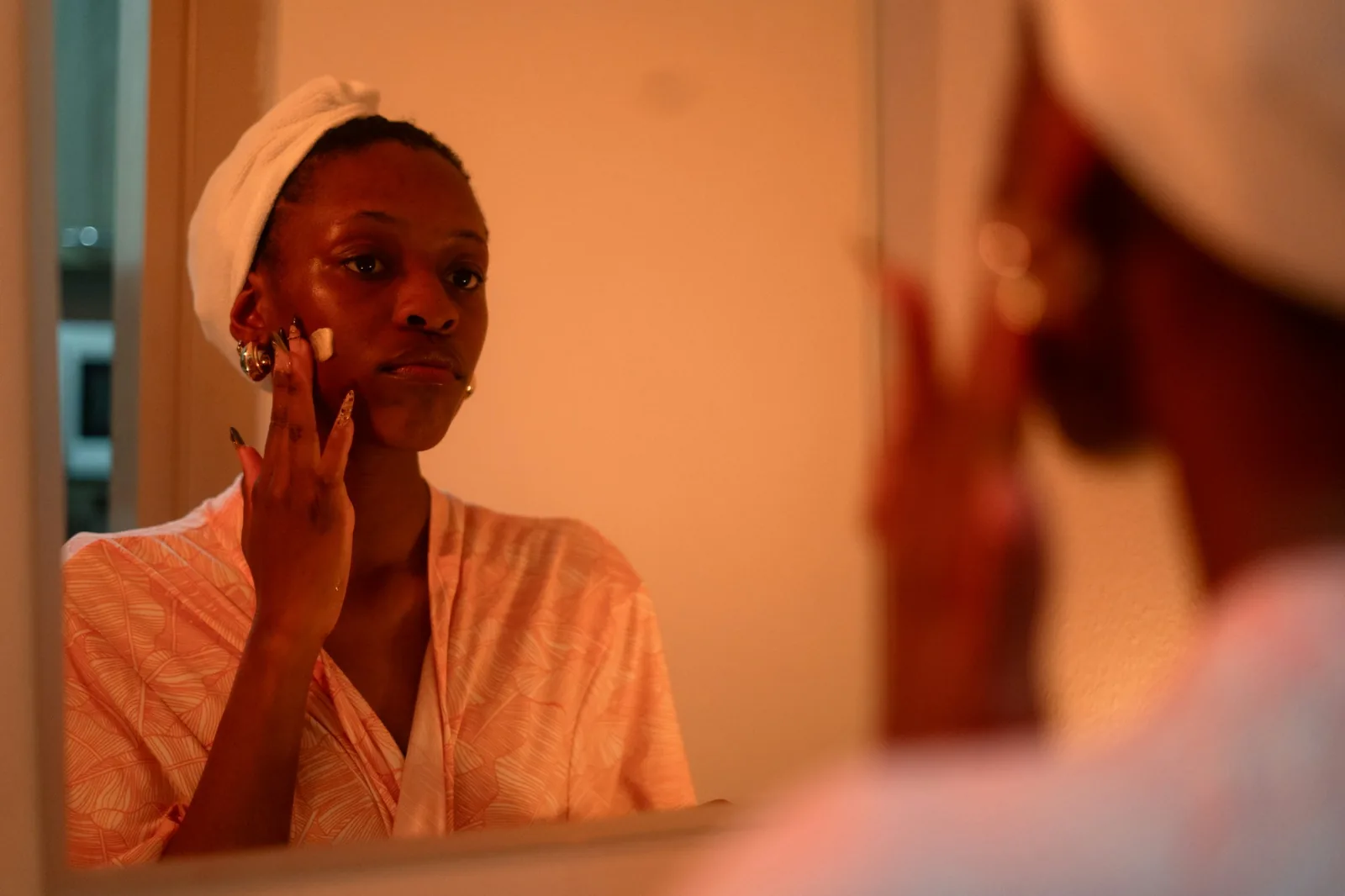
Here's how to get rid of blackheads, in short: treat the pore so it stops refilling, and stop attacking the dot. Dermatologists recommend a retinoid for blackheads, and the American Academy of Dermatology (AAD) notes that you can buy one, adapalene, without a prescription. Then give it six to eight weeks.
The quick version, drawn from AAD guidance and MedlinePlus's adapalene guide:
- Use a retinoid such as adapalene as its label directs: usually once a day at bedtime, over the whole area, not just the dots.
- Wash twice a day and after sweating, with a gentle cleanser, lukewarm water, and your fingertips.
- Add a salicylic acid cleanser if your skin tolerates it.
- Choose makeup, sunscreen, and hair products labeled non-comedogenic, and take makeup off every night.
- Skip squeezing, scrubbing, and toothpaste, and don't count on strips. Dealing with a pimple instead? We answer do pimple patches work and which spot hacks to skip.
- Pregnant, or using a prescription skin medicine? Ask your dermatologist before you start.
- Still seeing blackheads after six to eight weeks? See a dermatologist.
What Are Blackheads, and Why Won't Scrubbing Get Rid of Them?
A blackhead is a pore clogged with excess oil and dead skin cells that stays open at the surface. The AAD explains that the black speck isn't dirt: the buildup inside the pore turns dark when it reacts with oxygen in the air.
The AAD compares it to a cut apple turning brown. A whitehead forms when the same buildup plugs the pore's opening, so it shows as a small white or skin-colored bump. Our guide to whiteheads, or closed comedones covers what keeps them coming back.
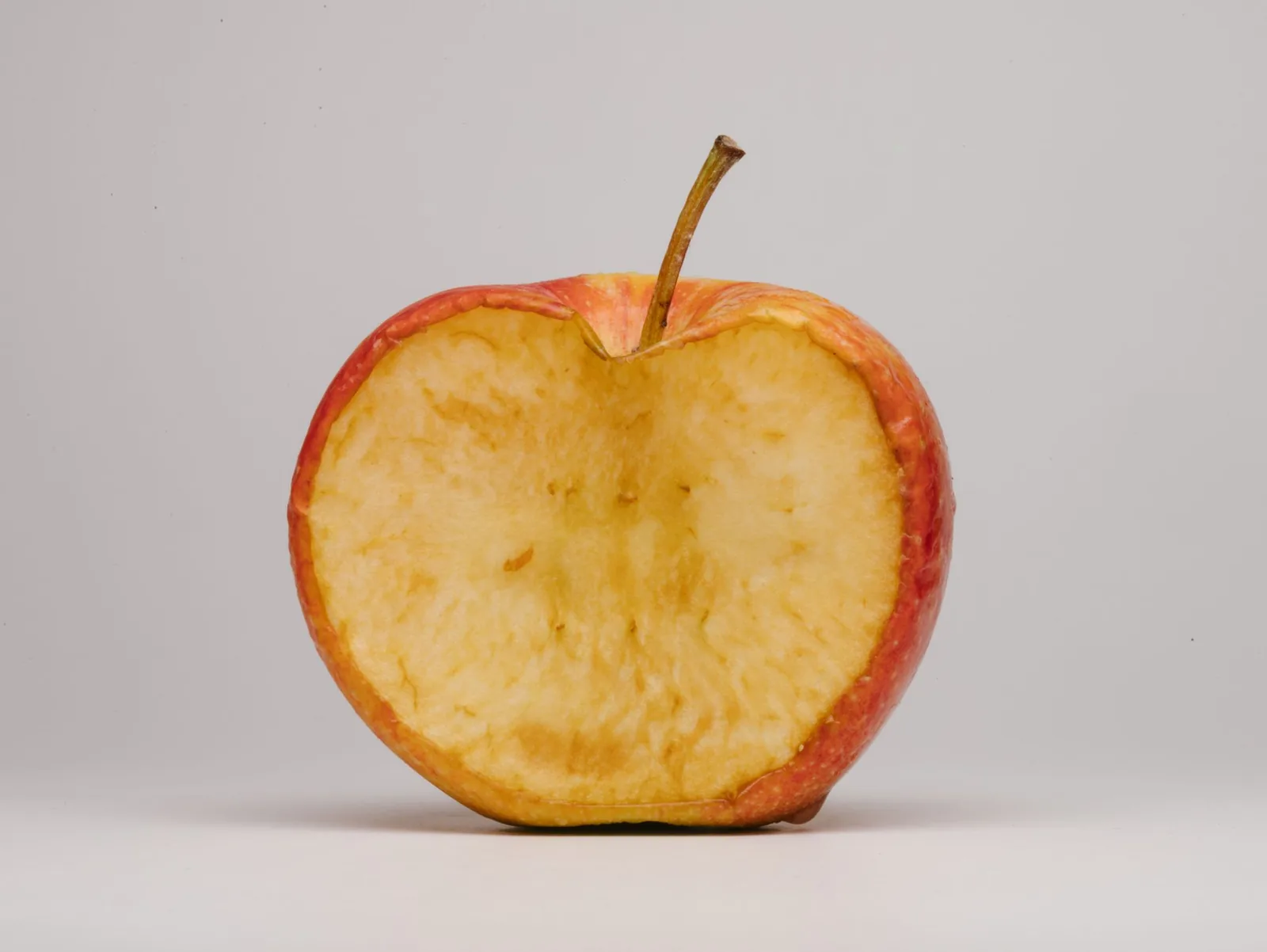
That's why scrubbing fails. The AAD's guide to acne types says the black dots aren't dirt, so resist scrubbing, because it will only worsen your acne. If your bumps are skin colored and feel rough rather than looking dark, our guide to textured skin helps you sort whiteheads from other causes.
3 Questions Before You Try Any Blackhead Remedy
Most advice on how to get rid of blackheads mixes two kinds of fixes. Some empty a pore you can see today. Others change the pore so it stops filling up again. The AAD's page on pimple popping shows why that matters: blackheads and whiteheads can return, so you'll need to follow a skin-care plan to prevent new ones.
The three questions below are built on AAD, MedlinePlus, and NHS guidance. They aren't a medical test, and they don't replace a dermatologist.
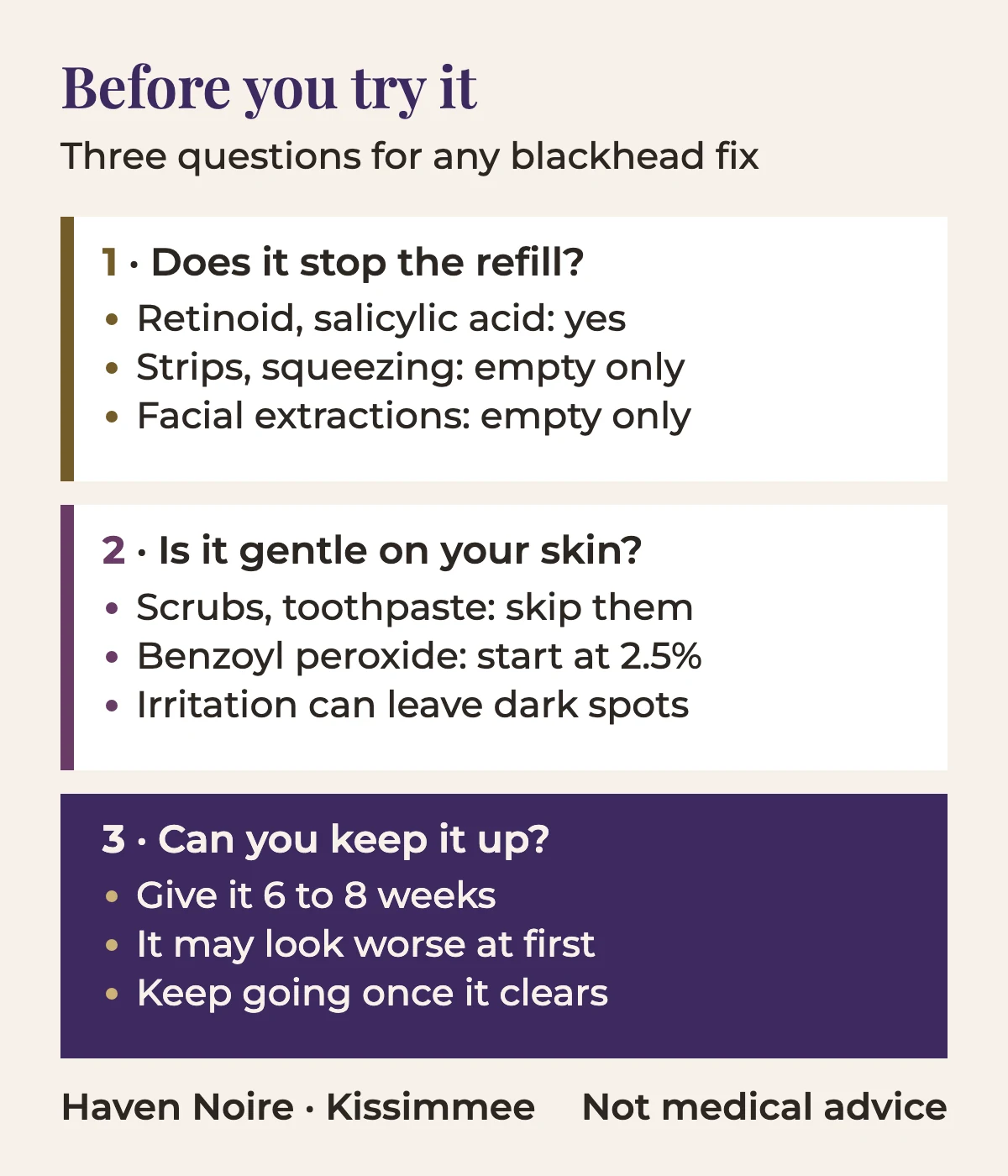
Question 1: Does it stop the refill?
Emptying feels like progress, because you can see what came out. Treating the pore is slower, but it's what that skin-care plan is for. Dermatologists recommend a retinoid, and the AAD's adult acne guide says salicylic acid works best on whiteheads and blackheads because it unclogs pores and exfoliates the skin.
Strips, squeezing, and extractions all empty. In our judgment, none of them changes what refills the pore, so on their own they're a reset, not a plan.
Question 2: Is it gentle enough for your skin?
Irritation is the hidden cost. The NHS acne guide says not to scrub your skin, because scrubbing can irritate it and make acne worse. On brown and Black skin, the AAD's guide to dark spots in darker skin tones lists a product that irritates your skin among the triggers for dark spots. More in our guide to facials for Black skin.
Question 3: Can you keep it up for eight weeks?
A remedy only works if you're still using it in week eight. The AAD says to give treatment six to eight weeks to work, and its list of things to try when acne won't clear adds that even when you see clearing, you'll want to keep using the treatment.
| Fix | Stops the refill? | Gentle? | What the source says |
|---|---|---|---|
| Retinoid, such as adapalene | Yes | Likely dry or red at first | AAD: dermatologists recommend a retinoid to unclog pores |
| Salicylic acid cleanser | Yes | Can dry; ease in | AAD: works best on whiteheads and blackheads |
| Benzoyl peroxide wash | Pairs with a retinoid | Start at 2.5% | AAD: use a wash along with a retinoid |
| Pore strips | No: empties only | Unknown | Our November 2026 PubMed title and abstract search found no studies |
| Squeezing, by finger or tool | No: empties only | No | AAD: can cause an infection or permanent scar |
| Extractions in a facial | No: empties only | Tell us if you mark easily | AAD: blackheads can return, so keep a skin-care plan |
How to Get Rid of Blackheads at Home: A Routine That Stops the Refill
This routine is general information, not a prescription: if a dermatologist gave you a plan, the AAD says to follow it.
Morning
- Wash with a gentle, non-abrasive cleanser, lukewarm water, and your fingertips. The AAD's face-washing guide says a washcloth or mesh sponge can irritate your skin.
- Moisturize if you feel dry. The AAD says to use only makeup, sunscreen, skin, and hair-care products labeled non-comedogenic or won't clog pores.
- Wear sunscreen. Adapalene may make your skin sensitive to sunlight, and MedlinePlus's adapalene guide advises protective clothing, sunglasses, and sunscreen. See our guide to sunscreen for dark skin.
Night
- Take off makeup and sunscreen. The AAD says even non-comedogenic makeup can cause acne if you sleep in it. Wondering whether you need two cleansers? Read our guide to double cleansing.
- Cleanse, with a salicylic acid cleanser if your skin tolerates it. MedlinePlus says many skin products can irritate alongside adapalene, so tell your doctor what you use. Read how often you should exfoliate before adding another acid or scrub.
- Apply a thin layer of a retinoid such as adapalene gel over all your blackhead-prone skin. MedlinePlus says adapalene is usually applied once a day at bedtime, to the entire affected area, not only a single spot.
- Moisturize if your skin feels tight.
Where benzoyl peroxide fits
Some blackhead guides skip benzoyl peroxide. The AAD suggests a benzoyl peroxide wash along with a retinoid: the wash can help get rid of excess acne bacteria, and the retinoid unclogs pores. Its tips for acne in darker skin tones say this pair works well in skin of color, and to start with a 2.5% product to avoid irritation. The AAD also says to try one or two products and give them time, because too many can stress your skin.
Check with your doctor first if this is you
- Pregnant or trying to get pregnant: the AAD says to consult a dermatologist before treating acne on your own.
- Taking isotretinoin, or using tretinoin or another prescription on your skin: ask your dermatologist before adding any over-the-counter product.
- Eczema: MedlinePlus says not to apply adapalene to skin that is sunburned, broken, or covered with eczema.
- Rosacea or very reactive skin: ask your dermatologist first, and see how we approach sensitive and redness-prone skin.
If you also wax your face
The AAD's waxing guide advises pausing retinol and prescription retinoids for two to five days before waxing your face. Its hair removal page says waxing isn't recommended while you're applying tretinoin or using an antibiotic, or within six months of isotretinoin. MedlinePlus's adapalene guide is stricter: no hot wax on the area you're treating with adapalene during treatment. Ask your dermatologist which rule fits you, run the checks before a face wax, and tell us what you use when you book.
How Long Does It Take to Get Rid of Blackheads? A Week-by-Week Timeline
The AAD says acne medication doesn't work overnight, and MedlinePlus's acne page says responses may take 6 to 8 weeks.
| When | What you may notice | What the source says |
|---|---|---|
| Weeks 1 to 4 | Redness, dryness, stinging, or more breakouts | MedlinePlus: these effects are likely in the first 2 to 4 weeks of adapalene, and acne may get worse at first |
| Weeks 4 to 6 | First signs of change | AAD: if a treatment works, you should notice some improvement in 4 to 6 weeks |
| Weeks 6 to 8 | Your checkpoint | AAD: if you still see blemishes, you may want to see a dermatologist |
| Weeks 8 to 12 and beyond | Closer to the full effect | MedlinePlus: full benefit may take 8 to 12 weeks or longer |
| After your skin clears | Keep the routine going | AAD: keep using the treatment to prevent new breakouts |
Our tip: take a photo in the same light on day one and again at week eight, because slow change is hard to see in a daily mirror check.
If side effects are severe or don't go away, MedlinePlus says to tell your doctor. For signs a routine is wearing on your skin, see our guide to the skin barrier.
Blackheads on Nose: What They Are and What Helps
A Cleveland Clinic article on blackheads says they show up especially on the nose and chin, and sometimes on the cheeks.
First, make sure they're blackheads
Some dark dots on a nose are sebaceous filaments instead. Cleveland Clinic calls filaments a normal, healthy element of your skin, not a type of acne, and says they're usually flat and gray, light brown, or yellow. Our guide to making large pores look smaller explains how to tell them apart.
Treat the whole nose, not the dots
The AAD says applying acne medication only to your blemishes fails to prevent new breakouts, and recommends a thin layer on all acne-prone skin. Smooth it over your nose and the skin beside it. MedlinePlus says to be careful not to get adapalene in your eyes, nose, or mouth, so keep it on the skin and out of your nostrils.
What about nose strips?
We searched PubMed in November 2026 for "pore strip" and "pore strips" in titles and abstracts and found no studies. That doesn't show strips fail. It means we found no published study to tell you how well they clear blackheads on your nose, or whether they keep new ones away. At best, a strip empties the pore; it doesn't stop the refill.
Cleveland Clinic notes that strips, which are meant to remove blackheads, can also pull out sebaceous filaments. If you use one, our advice is to keep it occasional, and never on skin that's irritated, sunburned, or adjusting to a new retinoid.
Blackhead Shortcuts That Backfire on Melanin-Rich Skin
If your skin is brown or Black, a squeezed blackhead can cost far more than the blackhead. The AAD's tips for acne in darker skin tones say that if you pick, pop, or squeeze acne, you increase your risk of a scar. They add that the dark spots can last much longer than the acne.
How much longer? The AAD's dark spot guide says a spot a few shades darker than your natural color usually fades within 6 to 12 months, and color that lies deep in your skin can take years.
Shortcuts to skip
- Squeezing, with fingers or a tool. The AAD says it can cause an infection or permanent scar, and delay clearing.
- At-home peels and microdermabrasion kits. The AAD says that on darkly pigmented skin, even at-home versions can cause permanent dark marks and light spots. It advises seeing a dermatologist before using a chemical peel or microdermabrasion to treat acne, and notes these treatments can work in the right hands.
- Cocoa butter or shea butter on your face. The AAD says they can clog your pores. Our guide to shea butter for skin shows where it fits instead.
- Imported creams that promise to clear blackheads or lighten marks. A 2026 study by New York City Health Department researchers tested 197 skin lightening and skin care products bought in city stores from 2009 to 2022 and found mercury in 56. Every product with mercury was made abroad, and some were marketed to clear acne or blackheads. The AAD's advice: buy a product made in the United States or one recommended by your dermatologist.
Keep hair oil off your hairline
If acne shows up only on your forehead and temples, the AAD says your hair oil may be the cause. Its advice: use the hair oil only in the middle of your scalp and on the ends of your hair.
Our take: love your butters and oils, and keep them off your face, hairline, back, and chest. If a dark mark has already formed, start with how to fade hyperpigmentation on melanin-rich skin.
Where a Facial Fits When You're Getting Rid of Blackheads
A facial can't be your whole plan for how to get rid of blackheads. It can clear what's sitting in your pores today, while your home routine works on the refill.
Our Signature Facial includes a double cleanse, a skin analysis, exfoliation and extractions as needed, a custom mask and facial massage, then serums, moisturizer, and SPF. Extractions in a facial are a cosmetic step for clogged pores, not an acne treatment. Our guide to facial extractions explains which bumps they suit.
- Tell us your routine. If you use adapalene, salicylic acid, or a prescription, say so when you book, so we can tailor the facial to your skin that day.
- Don't pre-squeeze. Our tip: leave your blackheads alone in the days before, so we see your skin as it really is.
- After a Signature Facial, keep skin hydrated, skip harsh actives and heat for 24 hours, and wear SPF daily.
- Congestion that keeps coming back? Our corrective facials ($135) include the Acne Oxygen Rx and the Hydrofacial, both listed on our menu for congested skin.
Most skin does best with a facial about every four weeks. If monthly fits your rhythm, compare our memberships. Between visits, ask us about home care from the professional skincare lines we use.
When to See a Dermatologist About Blackheads
Haven Noire is an esthetics spa, not a medical office. We don't diagnose acne or treat it medically. See a dermatologist or your doctor if:
- Blackheads remain after six to eight weeks of treatment. The AAD says comedo extraction or prescription treatment may help.
- You have cysts or nodules, deep blemishes that can leave scars, or acne that hasn't cleared with nonprescription treatment. The AAD lists both as reasons to see a dermatologist.
- You have lots of spots, deep or painful spots, scarring, or acne that's affecting your mental health. The NHS lists each as a reason to see a GP.
- You notice hot, swollen, red skin, a sign of infection. The NHS notes that redness can be harder to see on brown and black skin.
- Self-care and over-the-counter medicine haven't helped after several months, or your acne is getting worse. That's when MedlinePlus's acne page says to contact a provider.
- Dark spots appear after your acne clears. An AAD dermatologist says that's also time to see a dermatologist.
- Your skin is prone to raised scars. The AAD says people with skin of color whose acne becomes moderate to severe before treatment have a higher risk of keloids.
This is general information, not medical advice. For breakouts that don't need a doctor, see how we approach congestion on our acne facials page.
Frequently Asked Questions About How to Get Rid of Blackheads
What is the fastest way to get rid of blackheads?
Emptying a pore is fast, but the American Academy of Dermatology says blackheads and whiteheads can return, so speed alone won't last. A retinoid such as adapalene treats the pore itself; give it six to eight weeks. Meanwhile, leave the visible ones for a facial with extractions as needed instead of squeezing at home.
How do you get rid of blackheads on your nose?
Treat the whole nose, not just the dots. At night, smooth a thin layer of a retinoid such as adapalene over your nose and the skin beside it, keeping it out of your nostrils. Wash twice a day with your fingertips. Flat gray or yellowish specks may be sebaceous filaments, a normal part of skin, not blackheads.
Do pore strips get rid of blackheads?
We can't point you to proof either way. We searched PubMed in November 2026 for studies with pore strips in the title or abstract and found none. At best, a strip empties a pore, and the American Academy of Dermatology says blackheads can return, so you still need a routine, such as a retinoid, to stop the refill.
Is it bad to squeeze blackheads?
Yes. The American Academy of Dermatology says squeezing a blackhead can cause an infection or a permanent scar, and that squeezing while you wait for treatment can delay clearing. In its tips for darker skin tones, the AAD adds that picking, popping, or squeezing acne increases your risk of a scar. Treat the pore instead.
Does benzoyl peroxide work on blackheads?
Some guides skip it, but the American Academy of Dermatology suggests a benzoyl peroxide wash alongside a retinoid for blackheads and whiteheads, saying it can help get rid of excess acne bacteria. The retinoid is the part that unclogs pores. To avoid dryness and irritation, the AAD says to start with a product that contains 2.5% benzoyl peroxide.
Can toothpaste or baking soda get rid of blackheads?
No. In the American Academy of Dermatology's adult acne guide, a dermatologist explains that toothpaste often contains abrasives like baking soda and whitening agents like peroxide. None of these fight acne, the dermatologist says, but they can irritate or harm your skin. On melanin-rich skin, irritation can also leave a dark spot.
Why do my blackheads keep coming back?
Emptying a pore doesn't change what fills it. The American Academy of Dermatology says blackheads and whiteheads can return, so keep using your treatment even after your skin clears. Check the usual suspects too: sleeping in makeup, products that aren't labeled non-comedogenic, and hair oil, which the AAD says may cause acne on your forehead and temples.
How much is a facial for blackheads in Kissimmee?
At Haven Noire in downtown Kissimmee, the 60-minute Signature Facial, which includes exfoliation and extractions as needed, is $95, or 3 for $210. The 90-minute version is $110, or 3 for $285. A Corrective Facial is $135, and the Glow Membership includes one 60-minute Signature Facial a month for $74.99.
More from the Journal

About the author
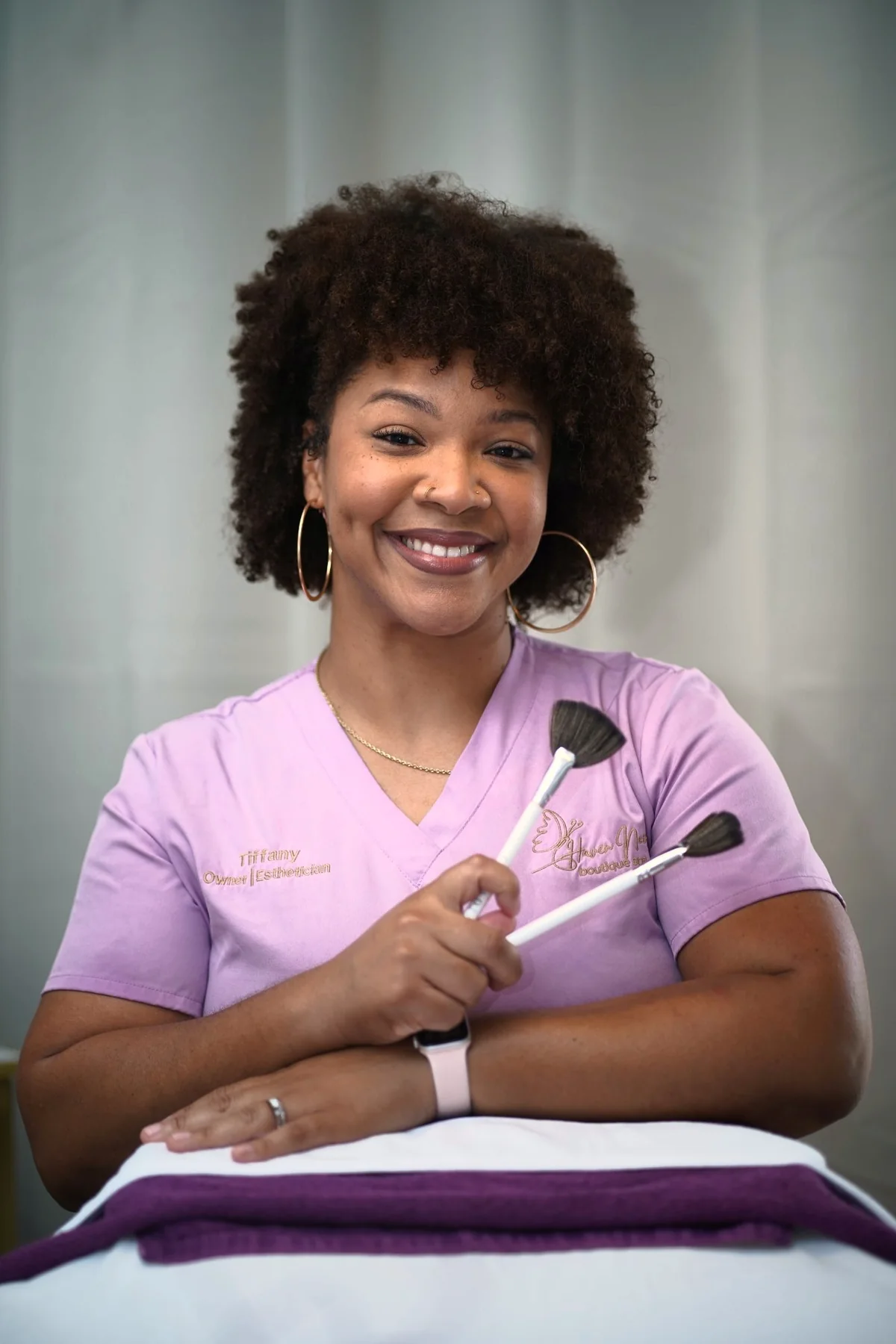
Tiffany · Licensed Esthetician · Licensed PMU Artist
Tiffany is a Florida-licensed esthetician and permanent makeup artist and the founder of Haven Noire. She specializes in customized facials, corrective skincare, and waxing for melanin-rich and all skin types, and is known for a calm, education-first approach that puts first-time clients instantly at ease.
Meet Tiffany →